

Customized Power System

Applications and design goals
A custom supply can be considered when standard products do not fit the input, output, installation space, or control requirements of an application. MiracleTech provides power engineering consultation and non-standard power supply development based on the actual load and equipment requirements.
Our existing products include LLC power modules, constant-voltage/constant-current supplies, and laser drivers. These provide a starting point for discussing power conversion and load driving. The final approach depends on the input range, output behavior, and operating environment.
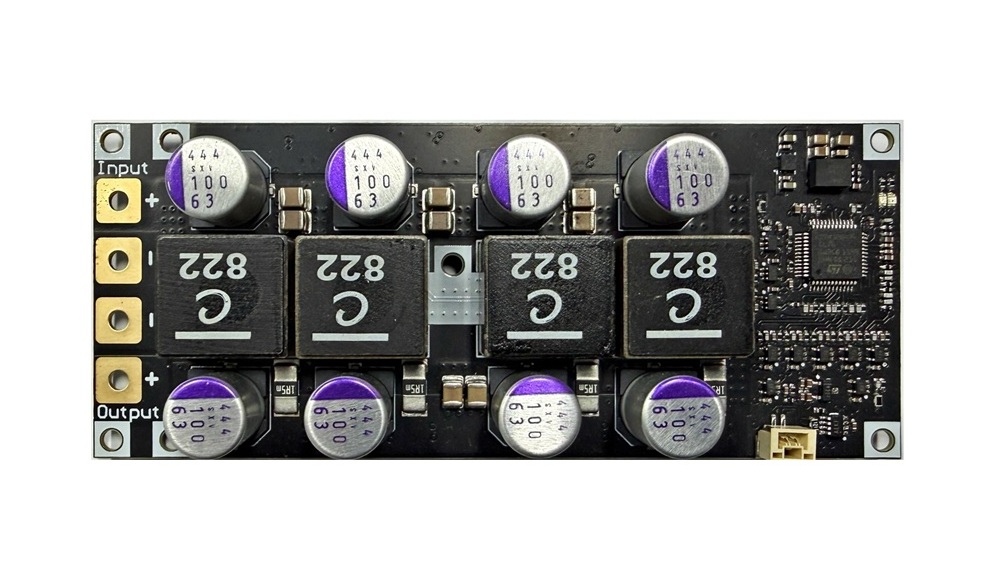
Requirements and system elements
- Input and conversion: define the supply source, input voltage range, and target output power.
- Load and output control: establish constant-voltage or constant-current requirements, including startup and load changes.
- Control and interfaces: identify the required controls, status feedback, and communication needs.
- Mechanical and thermal design: review installation space, ambient temperature, and cooling conditions.
Selection and development discussion
- Provide the input, output, load type, and size constraints.
- Evaluate whether an existing module or a custom design is appropriate.
- Agree on operating conditions, measurements, and acceptance criteria for verification.
Load documentation and operating conditions help define the design. Efficiency, power density, interfaces, and protection functions are subject to the agreed specifications and verification results.
Prepare a power requirement brief
| Item | Required information |
|---|---|
| Input / output | Voltage ranges, power, constant-voltage or constant-current operation |
| Load behavior | Startup, peak current and transient changes |
| Mechanical / thermal | Envelope, mounting, cooling and environment |
| Control / validation | Interfaces, protection and agreed verification conditions |
Discussion and validation sequence
Requirements review → configuration discussion → prototype evaluation → agreed delivery scope. The sequence is a discussion framework; schedule, tests and deliverables are agreed for each project.