

Industrial Measurement System
Applications and measurement goals
Testing and observing industrial equipment requires temperature, voltage, and current signals to be turned into comparable measurements. MiracleTech develops acquisition systems for these signals and provides equipment and custom approaches for industrial measurement requirements.
A project may focus on equipment testing, operating condition observation, or research verification. Signals, channel count, and operating conditions should be agreed according to the equipment and test goals.
Acquisition chain and system elements
- Signals: identify temperature, voltage, and current measurements and their ranges.
- Acquisition equipment: evaluate hardware against accuracy, sampling speed, and channel requirements.
- Connections and installation: review sensors, wiring, installation space, and electrical interference.
- Use of results: define data reading, recording, and analysis needs, and review integration with existing equipment.
Selection and on-site verification
- List signal types, ranges, and the changes to be observed.
- Establish accuracy, sampling, and multi-channel measurement requirements.
- Provide constraints for operating temperature, electrical isolation, and equipment interfaces.
- Agree on measurements and verification under the intended operating conditions.
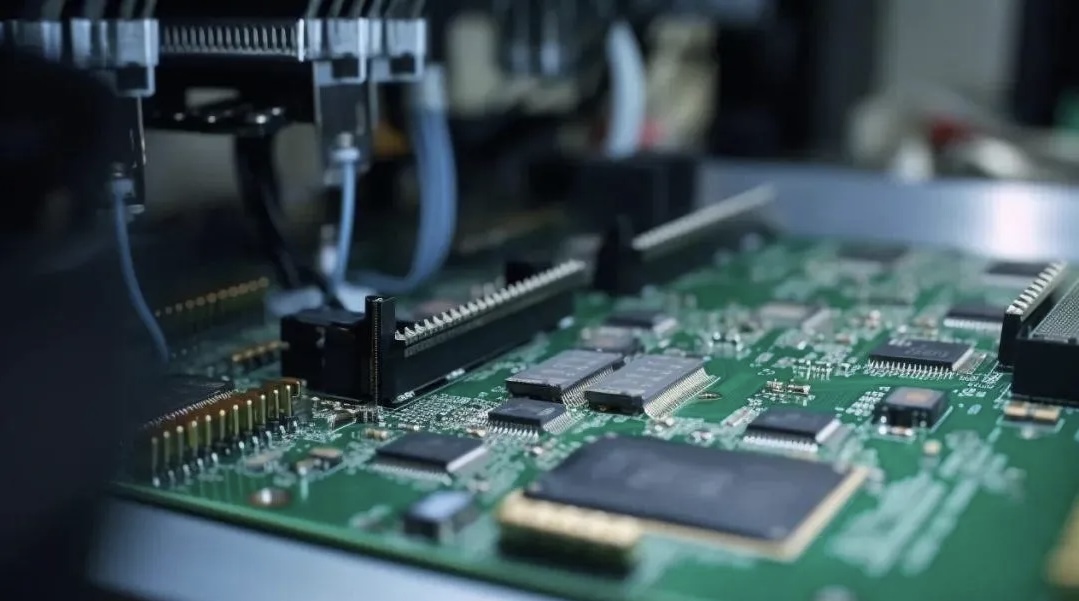
Existing sensor and equipment documentation helps define a suitable approach. Interfaces, isolation, and data processing functions should be confirmed during planning rather than inferred from the equipment photograph.
Define the acquisition path
Sensor or electrical signal → signal conditioning and acquisition → data interface → recording and analysis. This conceptual path must be matched to the actual hardware. A source meter is an electrical stimulus/measurement device; it does not by itself establish support for every sensor or acquisition task.
| Input | Project information |
|---|---|
| Signal | Type, range and sensor documentation |
| Timing | Sampling requirements and channel synchronization |
| Installation | Wiring, interference, isolation and temperature |
| Data | Interfaces, recording and downstream analysis |